rTMS (repetitive Transcranial Magnetic Stimulation)
rTMS (repetitive transcranial magnetic stimulation) is a non-invasive brain stimulation therapy that uses magnetic pulses to activate and regulate key areas of the brain involved in mood, focus, and self-control.
This drug-free brain therapy works by delivering targeted magnetic stimulation to underactive or dysregulated brain regions. By improving neural activity and connectivity, rTMS helps support emotional regulation, mental clarity, and cognitive performance.
rTMS is an innovative, non-invasive treatment used to support:
- Depression and low mood
- Anxiety and stress-related symptoms
- Obsessive compulsive patterns
- Binge eating and emotional eating
- Burnout, brain fog, and low energy
It is a strong option for individuals looking for a medication-free approach to improving mental wellness.

How It Works
rTMS uses targeted magnetic pulses to stimulate specific parts of the brain involved in mood regulation, cognitive function, motivation, and self-control.
These pulses help:
- Activate underperforming brain circuits
- Improve communication between brain regions
- Support better emotional regulation and decision-making
- Enhance focus, clarity, and productivity
Unlike approaches that rely only on symptom management, rTMS works directly with the brain’s natural functioning, helping it operate more efficiently over time.
What to Expect
rTMS sessions are simple and comfortable.
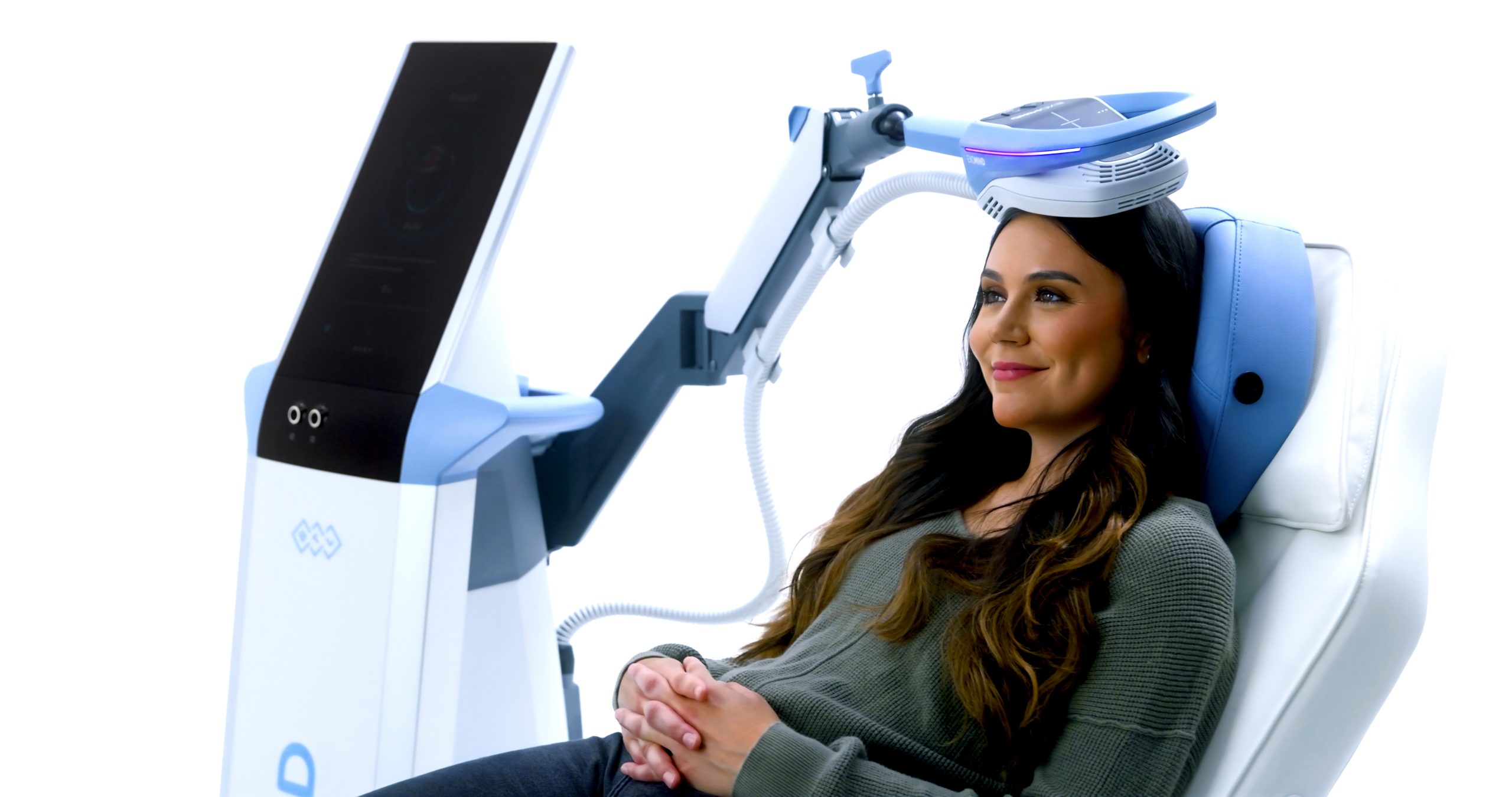
The device is gently positioned on your scalp while you relax in a seated position. There is no effort required, and no downtime afterward.
During your session, you can:
- Sit back and relax
- Close your eyes
- Listen to music
- Rest quietly
Most clients describe the experience as a rhythmic tapping or muscle activation sensation that becomes easy to tolerate.
You can return to your normal daily activities immediately after each session.
A Personalized, Brain-Based Approach
At Sano State Psychology, rTMS is not a one-size-fits-all treatment.
Before starting, we complete a comprehensive assessment to understand how your brain is functioning and what you actually need.
This includes:
- A qEEG brain scan to map brainwave activity
- Computerized cognitive testing to measure attention, memory, and processing
- Standardized questionnaires to assess mood, stress, and symptoms
- A focused discussion to understand your goals and challenges
This gives us a clear, objective picture of your brain and helps us determine which brain regions we want to focus on during your rTMS sessions.
After your sessions, we follow up by repeating key parts of the assessment process to:
- Track changes in brain activity and cognitive performance
- Measure improvements in symptoms and functioning
- Ensure the treatment is producing meaningful results
- Help determine the best path forward for you
